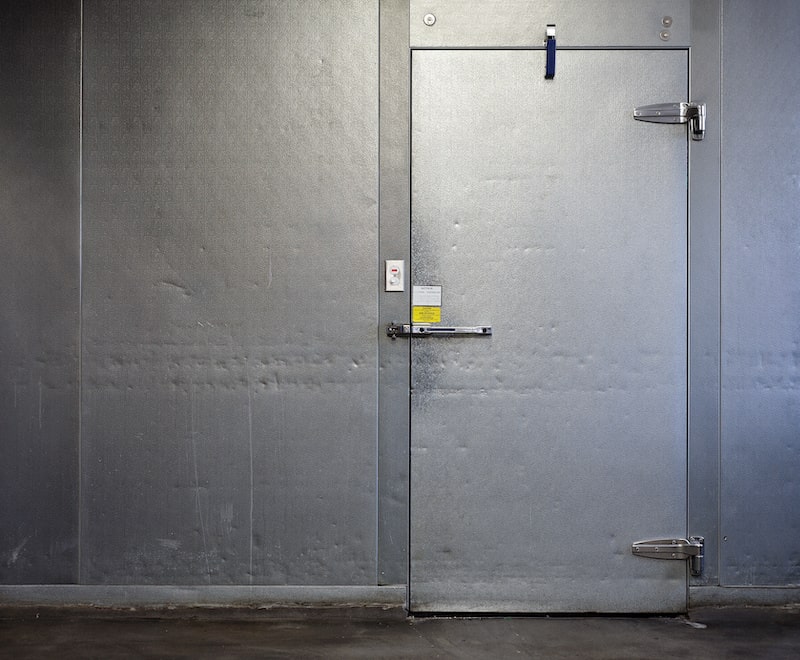
Buying a new walk-in cooler or freezer could be costly, but so can utility bills. Depending on how bad of shape your existing walk-in is in, a new walk-in could pay for itself within a year or two.
There is no specific age for when you will should replace the walk-in door. This varies based on a number of aspects, including how the initial quality of the refrigerator was created, the kind of insulation used, how well the box and refrigerator were preserved, and whether it has experienced any damage. After 10 years or when your warranty expires, you should evaluate how purchasing a walk-in would compare and contrast with repairing or replacing the old one.
Signs it’s time for an upgrade
If your energy costs are gradually increasing, it may suggest the steady decrease in the efficiency of the insulation in your system. Like most things over time the insulation and motor will lose efficiency, this can usually be noticed as the power bill increases since the freezer is working harder to maintain the same temperature as before.
If your walk-in refrigerator is no longer maintaining the correct temperature, or if you notice that the internal temperature rises along with your ambient temperature outside of the freezer. This is an urgent sign that the freezer is no longer going to perform at the level that you need it to and that you should act quickly to prevent spoilage of food inside. Some repairs may be made to extend the life of the freezer but it may also be time to consider replacing the walk-in freezer entirely.
A walk-in freezer will produce a regular humming sound. If the sound grows more distinct or loud, or if you hear screeching and squealing sounds, this is a sign that one or more parts of the freezer are malfunctioning. Often, an unusual sound can be a sign that the motor is either failing or possibly working harder than it should to maintain temperature.
Lastly if you notice the walls or ceiling have condensation or ice buildup, this may mean that your insulation has failed and is saturated with water or ice. This may also signify air leaks between panels or in your walls or ceiling.
If you suspect your walk-in freezer is in need of repairs, please do not think twice to contact our staff at Boer Brothers Restaurant Services. Our technicians will be able to give you the information you need to make an informed decision on if a new walk-in freezer is right for you.